
Choosing the best dog food is less about finding the most expensive bag or the ingredient list with the most dramatic claims. The better approach is to compare objective clues: nutritional adequacy, calorie density, portion control, digestibility, life-stage fit, and how your own dog responds over time.
The 13 checks below give owners a practical way to evaluate a current diet or narrow down new options. They are useful for comparing dry, canned, fresh, and other complete diets, but a veterinarian should guide decisions involving allergies, chronic disease, unexplained weight change, or persistent digestive symptoms.
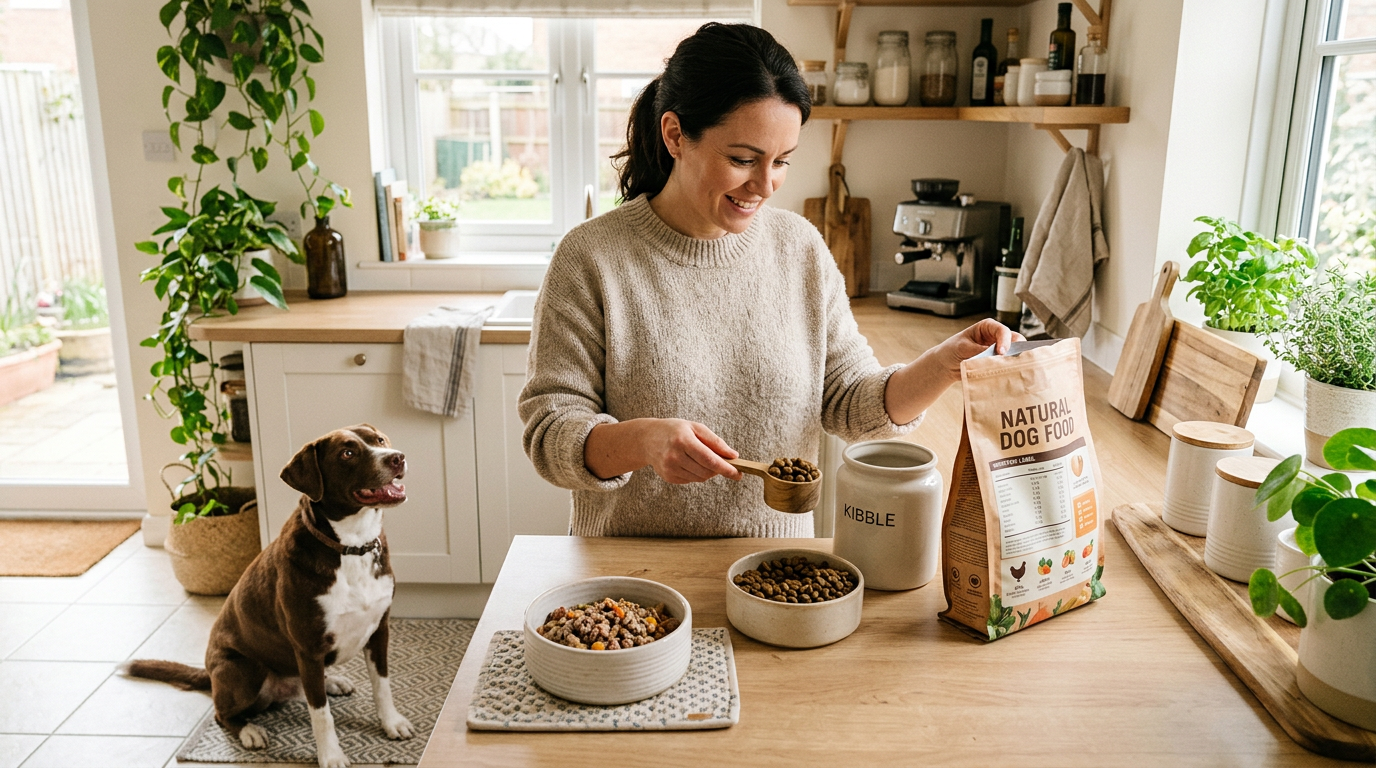
The Label Says the Food Is Complete and Balanced
The first and most important clue is the nutritional adequacy statement. Look for wording showing that the food is complete and balanced for a specific life stage or that it meets the nutritional profiles established by AAFCO. A food labeled only as a treat, topper, intermittent feeding product, or supplemental diet should not replace the main diet.
Match the statement to your dog rather than assuming one formula fits every animal.
- Growth or all life stages: intended for puppies, although calorie and feeding needs still vary.
- Maintenance: formulated for adult dogs.
- Gestation, lactation, or large-size growth: may require more specific guidance.
- Prescription or therapeutic diets: use under veterinary direction.
Before buying, photograph the adequacy statement and ask your veterinarian whether it suits your dog’s age, size, and health status.
The Life-Stage and Size Profile Matches Your Dog
A puppy, senior, toy breed, and giant-breed adult do not have identical nutritional priorities. Puppies need controlled energy and appropriate calcium and phosphorus for development; large-breed puppy formulas are designed with growth management in mind. Senior foods may adjust calories, protein, fiber, or supplements, but “senior” is not a regulated nutritional category in the same way as a life-stage adequacy statement.
| Dog profile | Useful label clues | Owner check |
|---|---|---|
| Puppy | Growth or all life stages | Confirm large-breed guidance when relevant |
| Adult | Adult maintenance | Match calories to activity |
| Senior | Maintenance plus an appropriate calorie profile | Discuss kidney, joint, or dental concerns |
| Toy or giant breed | Kibble size and growth-specific nutrition | Check chewing ability and portion accuracy |
Use your dog’s actual condition and veterinary history, not the marketing image on the package, as the final deciding factor.
The Calorie Listing Supports a Healthy Body Condition
Two foods can have similar ingredient lists but very different calorie densities. The guaranteed analysis typically lists calories as kilocalories per cup, can, or kilogram. This number helps explain why a dog may gain weight on a seemingly modest portion or remain hungry on a low-calorie formula.
Assess body condition rather than relying only on scale weight. Ideally, you should be able to feel the ribs under a thin layer of fat, see a waist from above, and see an abdominal tuck from the side.
- Compare calories per cup or can before comparing feeding amounts.
- Measure meals with a standard measuring cup or, more accurately, a kitchen scale.
- Include treats, chews, table scraps, and toppers in daily calories.
- Recheck weight and body condition every two to four weeks after a diet change.
Ask your veterinarian for a target weight and starting calorie range if your dog is overweight, underweight, unusually active, or rapidly changing condition.
The Protein and Fat Levels Fit Activity and Health Needs
Protein and fat should be interpreted in context. A highly active working dog may need more energy than a sedentary companion, while a dog prone to weight gain may do better with carefully controlled calories. More protein is not automatically better, and a high-fat formula can be unsuitable for some dogs with digestive or pancreatic concerns.
Use the guaranteed analysis as a screening tool, but remember that percentages are reported on an “as-fed” basis and can be misleading when comparing wet and dry foods because canned diets contain much more water.
- Compare dry-matter values when making precise wet-versus-dry comparisons.
- Look beyond protein percentage to the food’s digestibility and amino-acid quality.
- Ask about fat levels if your dog has had pancreatitis or chronic loose stools.
- Do not change a therapeutic diet based on label numbers alone.
Have your veterinarian interpret protein, fat, and mineral levels alongside bloodwork or a diagnosed condition.
The Ingredient List Is Transparent Rather Than Overly Promotional
Ingredients are listed by weight before processing, so water-rich ingredients may appear high on the list without contributing as much dry nutrition as their position suggests. Still, a clear label should identify recognizable protein sources, carbohydrate sources, fats, vitamins, minerals, and preservatives without relying entirely on vague terms or unsupported promises.
Ingredient lists cannot prove that one food is superior, but they can reveal whether a formula aligns with your preferences or a veterinarian-directed elimination plan.
- Identify the primary animal or plant protein sources.
- Check whether added oils, fibers, and supplements are named clearly.
- Be cautious of “natural,” “premium,” or “holistic” claims without measurable definitions.
- Never infer that an ingredient is dangerous solely because its name sounds unfamiliar.
For a suspected allergy, ask your veterinarian about a controlled diet trial rather than switching among multiple over-the-counter foods.
The Food Provides Useful Feeding Directions but Does Not Treat Them as Exact
Package feeding charts are starting points, not prescriptions. They commonly use body weight, but they may not fully account for age, neuter status, metabolism, weather, exercise, or treat calories. A dog’s appropriate portion is the amount that maintains a healthy body condition over time.
- Start with the package’s range for your dog’s target weight.
- Measure the actual portion consistently for 10 to 14 days.
- Record treats and extras instead of estimating them casually.
- Adjust portions gradually, often by about 5% to 10%, based on weight and body condition.
Do not make aggressive reductions for a puppy, pregnant dog, or medically fragile dog without veterinary guidance. Take the label to your next appointment if the recommended amount seems inconsistent with your dog’s results.
Your Dog Digests It Consistently
Stool quality is one of the most practical clues owners can observe. A suitable food generally produces formed stools at a predictable frequency, without repeated urgency, excessive gas, mucus, or straining. One soft stool does not automatically mean the food failed; sudden changes, scavenging, stress, parasites, and infections can produce similar signs.
Track the response for at least one to two weeks after a gradual transition unless your veterinarian advises otherwise.
- Note stool firmness, frequency, color, and unusual odor.
- Watch for vomiting, persistent diarrhea, blood, or appetite loss.
- Transition over roughly 7 days by increasing the new food while reducing the old.
- Slow down the transition if mild digestive upset appears.
Contact a veterinarian promptly for repeated vomiting, bloody stool, dehydration, severe lethargy, or symptoms lasting more than a day or two.
The Diet Helps Maintain a Healthy Coat, Skin, and Energy Level
Coat shine, skin comfort, energy, and stool quality together provide a broader picture than any single ingredient claim. Adequate nutrition may support normal skin and coat maintenance, but dull fur or itching can also result from fleas, environmental allergies, hormonal disease, infection, or other problems that food alone will not solve.
Observe your dog over several weeks rather than judging a formula after one meal.
- Look for a stable energy level appropriate for age and activity.
- Check for excessive scratching, recurrent ear problems, or new skin lesions.
- Monitor shedding patterns and coat texture without expecting a dramatic cosmetic transformation.
- Compare changes with grooming, season, parasite prevention, and other variables.
If itching, hair loss, recurrent infections, or fatigue continues, schedule an examination instead of repeatedly buying new foods.
The Texture and Kibble Size Work for Your Dog
Palatability and physical usability matter because even a nutritionally sound diet cannot help if your dog refuses it or cannot chew it comfortably. Small dogs may struggle with oversized kibble, while some fast eaters benefit from a texture or feeding method that slows consumption. Wet food can help increase water intake, but it is usually more expensive per calorie and spoils faster after opening.
| Format | Potential advantage | Tradeoff |
|---|---|---|
| Dry kibble | Convenient, measurable, often lower cost per calorie | Less moisture; dental benefits should not be overstated |
| Canned | High moisture and often appealing texture | Higher cost and refrigeration after opening |
| Fresh or gently cooked | May suit owners seeking a different texture | Higher price and careful storage requirements |
Choose a format your dog can eat safely, then confirm that the complete diet—not just a topper—is nutritionally adequate.
The Food Fits the Budget Without Encouraging Poor Portion Control
The best dog food is not necessarily the food with the highest price per bag. Compare cost per day or cost per 1,000 kilocalories because package sizes, moisture content, and calorie density vary. A more expensive food may require a smaller portion, while a low-cost food may be practical if it meets nutritional needs and your dog thrives on it.
Use this simple comparison before switching:
- Divide the package price by the total calories in the package.
- Multiply the cost per calorie by your dog’s daily calorie target.
- Add the cost of treats, toppers, supplements, shipping, and storage containers.
- Check whether subscription discounts or large bags create waste before purchasing.
Set a monthly food budget and compare the actual daily cost, not the shelf price alone. Never stretch a diet with large amounts of unbalanced human food just to reduce expense.
The Manufacturer Can Explain Quality Control and Testing
Manufacturing transparency is a valuable clue because the front of a package cannot show how ingredients are sourced, tested, or handled. A responsible company should be able to explain where food is made, who formulates it, how finished products are tested, and how it manages recalls or customer complaints.
No company can promise zero risk, but vague answers make a product harder to evaluate.
- Ask whether the food is produced in company-owned or contracted facilities.
- Ask what testing is performed on incoming ingredients and finished batches.
- Look for a lot code, expiration date, and accessible customer service.
- Check official recall notices and keep the package information after purchase.
Prefer a manufacturer that provides specific, verifiable answers rather than relying only on awards, influencer endorsements, or dramatic ingredient stories.
The Formula Avoids Unnecessary Extras for Your Dog
Supplements, toppers, treats, and “functional” add-ons can be useful, but they also add calories and may complicate an otherwise clear diet. Joint ingredients, probiotics, omega-3 fatty acids, and dental products should be selected for a reason and in an appropriate amount. More added ingredients do not guarantee better results.
Be especially cautious with products that promise to cure disease, detoxify the body, or replace veterinary treatment.
- Keep treats to about 10% or less of daily calories unless your veterinarian advises differently.
- Check whether a complete food already supplies the nutrient you plan to supplement.
- Introduce only one new extra at a time so you can identify reactions.
- Store chews and toppers securely and account for them in the feeding plan.
Bring a complete list of foods, treats, supplements, and medications to your veterinarian before adding a high-dose product.
The Diet Is Appropriate for Known Medical Conditions
A dog with kidney disease, urinary problems, diabetes, food-responsive enteropathy, pancreatitis, obesity, or another diagnosis may need a nutrient profile that ordinary maintenance food cannot provide. In these cases, the best dog food is determined by the condition, laboratory results, appetite, and treatment plan—not by a generic “healthy” claim.
Therapeutic diets can involve tradeoffs such as higher cost, limited flavor choices, or a slower transition, but they may be part of medical management.
- Confirm whether the diet is intended for long-term feeding or short-term use.
- Ask what monitoring is needed and when bloodwork should be repeated.
- Clarify whether treats, toppers, or table foods interfere with the diet.
- Do not substitute a similar-looking retail formula without approval.
Have your veterinarian write down the nutritional goal and acceptable alternatives so shopping becomes safer and more precise.
Your Dog’s Response Remains Stable After a Proper Transition
The final clue is durability. A food may look promising for three days but prove unsuitable after a month if weight, stool, appetite, skin, or energy gradually changes. Evaluate the full pattern after the transition period and continue checking it as your dog ages, exercises differently, or develops new health needs.
Keep a simple record rather than relying on memory.
- Write down the food, daily amount, treats, and transition dates.
- Record weekly weight when practical and note body condition monthly.
- Track stool quality, appetite, vomiting, itching, and energy.
- Review the results with a veterinarian if any trend is concerning.
Once a diet is working, avoid unnecessary frequent changes. Reassess whenever the package formula changes, your dog’s life stage changes, or health signs appear.
How to Turn These Clues Into a Shortlist
Use the clues as a filter rather than trying to find a flawless product. Start by excluding foods that do not match the life-stage adequacy statement, calorie needs, medical requirements, or practical feeding format. Then compare the remaining options for transparency, cost, digestibility, and your dog’s response.
- Write down your dog’s age, weight, activity level, body condition, and diagnoses.
- Choose two or three complete diets that fit those requirements.
- Compare calories, feeding cost, package size, and manufacturer information.
- Buy the smallest sensible package for the first trial.
- Transition gradually and evaluate results over several weeks.
This process makes a purchase more deliberate and reduces expensive trial-and-error. If your dog has a complex medical history, make the shortlist with veterinary input before ordering.
Best Dog Food Questions Owners Commonly Ask
Q: Is the most expensive dog food automatically the best?
A: No. Price can reflect ingredients, packaging, delivery, or formulation costs. Nutritional adequacy, calorie fit, quality control, affordability, and your dog’s response are more useful measures.
Q: Is grain-free food healthier?
A: Not for every dog. Grain-free diets are appropriate only when there is a specific reason and veterinary guidance. Dogs can digest properly cooked grains, and avoiding grains does not automatically prevent allergies.
Q: How long should a dog try a new food?
A: Digestive tolerance may become clear within one to two weeks, but weight, coat, and overall condition often require several weeks of observation. Medical elimination diets follow a veterinarian’s exact timeline.
Q: Can I mix wet and dry food?
A: Yes, if both are appropriate and the combined portions stay within daily calorie needs. Reduce the dry portion when adding canned food, and refrigerate opened wet food as directed.
Q: Should supplements be added to a complete diet?
A: Usually not automatically. Unnecessary or high-dose supplements can upset nutrient balance or interact with medications. Ask a veterinarian first.
A Practical Next Step for Choosing the Right Food
Begin with your dog, not the marketing claim: confirm the appropriate life stage, target body condition, calorie range, medical needs, and feeding format. Then compare complete-and-balanced labels, manufacturer transparency, cost per day, and the results you can observe at home.
Save the package label and feeding record, introduce changes gradually, and schedule veterinary advice when symptoms or diagnoses complicate the decision. The strongest choice is the food your dog can eat safely, digest consistently, maintain a healthy body condition on, and continue receiving as part of a realistic household budget.