
Color has become more than a finishing touch when shoppers compare new Toyota models. The right shade can make a compact hybrid look especially modern, give a new Toyota SUV a more upscale presence, or reinforce the rugged character of a new Toyota truck. It can also affect price, maintenance, resale appeal, and how quickly a vehicle is available.
Toyota’s palette changes by model, trim, production year, and region, so the most useful approach is to evaluate colors alongside equipment and ownership costs rather than relying on a name alone. This guide explains the newest design directions, how finishes differ, what they may cost, and how to confirm availability before committing to a purchase or financing plan.
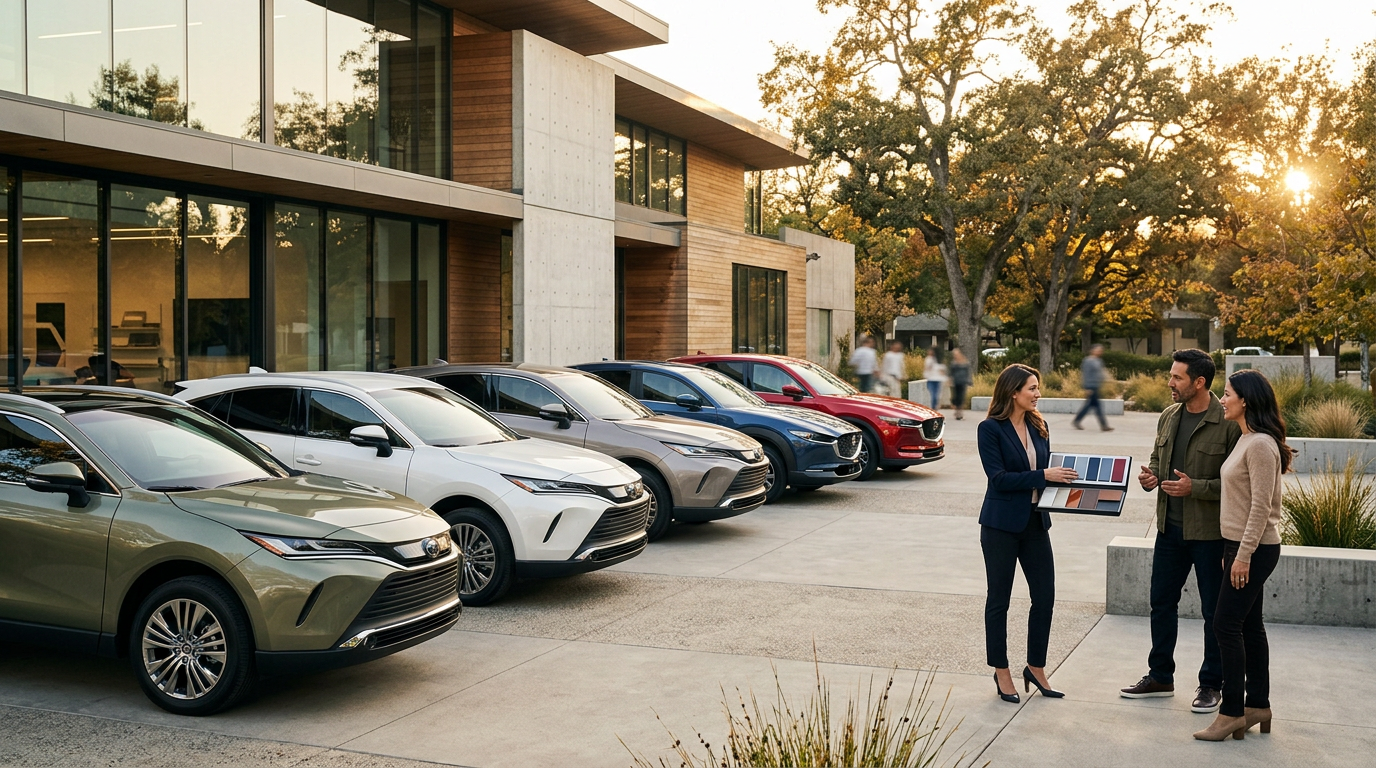
Toyota’s Newest Color Direction Favors Expressive Neutrals and Confident Accents
Recent Toyota vehicles generally balance familiar neutrals with more expressive shades. White, black, silver, and gray remain easy to find, but newer palettes increasingly include saturated blue, warm bronze, muted green, and distinctive red tones. These choices help separate crossover and truck designs without making every vehicle feel flashy.
Color names are not always interchangeable between models. A blue offered on a sedan may not be available on a hybrid crossover, and a premium two-tone roof may be limited to a higher trim. Treat the paint name as a starting point, then verify the exact exterior code, trim, and production year with a dealer or Toyota’s official build tool.
- Neutral shades: typically provide broad appeal and easier matching after minor repairs.
- Dark colors: emphasize body lines but reveal dust, water spots, and swirl marks more readily.
- Bright or saturated colors: create stronger visual identity but may narrow the pool of future buyers.
- Earth-inspired tones: pair well with outdoor-oriented SUVs and trucks while reflecting current design trends.
Trim Level Determines Whether a Color Is Standard, Premium, or Unavailable
Two vehicles from the same model line can have very different paint menus. Entry trims often include a limited group of standard colors, while premium finishes, two-tone combinations, or special-edition shades may require an upgrade. In some cases, the color is tied to a package rather than sold as a standalone option.
That distinction matters when comparing new Toyota prices. A color surcharge may be modest compared with a trim upgrade, but choosing a higher trim solely to obtain a particular finish can add thousands of dollars and introduce equipment you did not need. Ask for a vehicle specification sheet showing the exact paint cost before signing.
| Paint configuration | Common pricing pattern | What to verify |
|---|---|---|
| Standard solid or metallic color | Often included in MSRP | Whether the selected trim receives it |
| Premium pearl or special finish | Usually an added charge | Exact surcharge and replacement-paint process |
| Two-tone exterior | Often linked to upper trims or packages | Roof color, availability, and package contents |
| Limited-edition shade | May be restricted by production run | Inventory, allocation, and future parts matching |
Next step: compare the complete out-the-door price of the preferred color and trim against a lower trim in a standard shade.
Hybrid Models Use Color to Reinforce Efficiency Without Looking Plain
The latest new Toyota hybrid vehicles show how design and sustainability messaging can work together. Sleek blues, clean whites, silver, gray, and occasional green or bronze tones complement aerodynamic shapes and communicate efficiency without requiring a vehicle to look purely utilitarian.
Color does not change fuel economy, battery life, or emissions performance, but it can influence how a hybrid is perceived and enjoyed over time. A lighter exterior may feel cooler and show less fine dust, while a darker finish can make a small crossover appear more substantial. Buyers should prioritize powertrain, warranty, cargo capacity, and charging or fuel needs first, then use color to narrow the final choice.
- Check whether the color is offered on both front-wheel-drive and all-wheel-drive versions.
- Confirm that a promotional lease or finance offer applies to the exact trim and paint configuration.
- Compare real vehicles in daylight; metallic and pearl finishes can look substantially different indoors.
- Ask whether the dealer can locate a matching hybrid rather than ordering without a confirmed allocation.
SUV Color Choices Can Make Size, Shape, and Capability Read Differently
Color has an especially visible effect across the new Toyota SUV lineup. A dark shade can visually lower a tall body and highlight bright trim, while white or silver can make a three-row SUV appear larger and emphasize its available space. Earthy greens, bronze, and deep blue often support an adventure-oriented identity, particularly on models with roof rails, protective cladding, or all-wheel drive.
Consider where the SUV will be used. Families who regularly park outdoors may prefer a color that hides pollen and light dust. Drivers in urban areas may value a finish that makes scratches easier to spot and repair before corrosion develops. If resale flexibility is important, neutral colors usually appeal to the broadest audience, though a well-maintained distinctive shade can also help a vehicle stand out in online listings.
- View the color beside the SUV’s wheels, cladding, roof rails, and interior.
- Check whether the shade is available with the seating and drivetrain configuration you need.
- Estimate cleaning frequency based on your parking and driving environment.
- Compare local inventory before accepting a higher price for a rare combination.
Truck Colors Should Be Judged Against Work Use and Exterior Hardware
New Toyota truck models rely on color to balance toughness with contemporary styling. Strong reds, dark grays, blue, white, and black can complement large grilles and alloy wheels, while muted green, tan, or bronze shades may suit buyers who want an outdoor-focused appearance. Yet the practical details around the paint matter as much as the visual effect.
Truck owners should inspect how a finish works with bed accessories, step bars, bumpers, tow mirrors, and protective coatings. A dark truck can look dramatic but may show trail dust and fine scratches quickly. A light truck may be easier to keep presentable during work use, although mud and road film still collect around the wheel arches and lower doors.
- Frequent job-site use: prioritize easy cleaning and budget for paint protection in high-contact areas.
- Off-road driving: inspect factory touch-up availability and consider protective film on exposed edges.
- Appearance-focused ownership: compare the color with wheel design and any available two-tone treatment.
Before ordering, ask whether accessories are installed without drilling or damaging painted surfaces and whether the dealer can provide a paint-code-based touch-up product.
Pearl, Metallic, and Matte-Look Finishes Carry Different Ownership Tradeoffs
Paint technology affects appearance, repair complexity, and maintenance. Metallic finishes use fine reflective particles to add depth, while pearl paints create a softer color shift in changing light. Matte-look or satin treatments can appear highly distinctive, but they often require specialized washing and spot-repair procedures.
A small paint surcharge is only one part of the decision. Matching a multi-layer pearl finish after a collision may require blending adjacent panels, and improper polishing can alter the appearance of a low-gloss surface. Ask the service department how it handles the specific finish before choosing it for a long-term vehicle.
| Finish | Visual effect | Maintenance and repair considerations |
|---|---|---|
| Solid | Consistent, straightforward appearance | Often simpler to match and touch up |
| Metallic | Reflective depth and sparkle | Shows some scratches; matching requires correct flake orientation |
| Pearl | Subtle color variation and brightness | Can require blending and multiple paint layers |
| Matte or satin-look | Low-reflection, fashion-forward appearance | May prohibit conventional polishing and demand special care |
Choose the finish you can maintain confidently, not merely the one that looks best under showroom lighting.
Color Can Influence Resale Appeal, but Condition Usually Matters More
Exterior color is one factor in long-term value, but mileage, service records, accident history, mechanical condition, trim, and market demand usually carry greater weight. Common colors can make a vehicle easier to market, while a popular limited shade may attract attention if it remains in excellent condition.
There is no guaranteed “best resale color” for every Toyota. A black SUV with visible swirl marks may present worse than a carefully maintained green one, and a rare color may be harder to replace after a body repair. If you expect to sell or trade within a few years, research comparable listings for the same model, year, drivetrain, and trim rather than comparing color in isolation.
- Search local listings for the model in your preferred shade and note days on market.
- Ask a retailer how local buyers respond to unusual colors on that body style.
- Keep invoices for professional detailing, paint protection, and collision repairs.
- Photograph the vehicle in neutral daylight when preparing a private-sale listing.
Use resale considerations to break a tie between two colors, not to override a finish you will dislike owning every day.
The Color You Want May Affect Availability More Than the Purchase Price
Inventory is shaped by regional allocations, factory schedules, trim popularity, and production changes. A desirable color may be easy to find on a base model but scarce on a hybrid, premium SUV, or highly equipped truck. Waiting for an exact combination can also mean giving up a current incentive or accepting a later model-year price.
Before placing a deposit, establish whether the vehicle is physically on the lot, in transit, or merely listed as an expected allocation. A dealer should be able to provide a vehicle identification number once the unit is built or shipped. Avoid paying a nonrefundable fee for an unconfirmed vehicle unless the agreement clearly explains cancellation and delivery terms.
- Search multiple dealers within a practical driving radius.
- Filter by model, trim, drivetrain, exterior color, and key options.
- Request a written buyer’s order showing MSRP, paint charge, accessories, fees, and taxes.
- Compare the total cost of waiting, ordering, or accepting a close alternative.
Financing Should Be Compared Separately From the Appeal of a New Color
New Toyota financing options can make a preferred vehicle feel affordable while obscuring the cost of a higher trim or long loan term. A color upgrade may add only a small amount to the monthly payment, but selecting a premium trim to access that color can materially increase interest paid, insurance, and depreciation.
Compare offers using total financed amount and annual percentage rate, not payment alone. If leasing, confirm residual value, mileage limits, acquisition fees, and whether the special color affects monthly pricing. For a cash purchase, compare the dealer’s out-the-door figure with an independently arranged loan.
| Comparison | Questions to ask | Why it matters |
|---|---|---|
| Loan | What are APR, term, total interest, and prepayment rules? | Longer terms can reduce payments but raise total cost |
| Lease | What are residual value, mileage allowance, and upfront fees? | Monthly payment may not reflect total lease cost |
| Cash | What is the complete out-the-door price? | Removes financing charges but uses available capital |
Get financing preapproval before negotiating so the color decision remains separate from the lending decision.
A Short Inspection Checklist Prevents Expensive Color Regrets
Online configurators are useful for narrowing choices, but screens often exaggerate brightness or hide how a finish looks under shade, direct sun, and artificial lighting. Inspecting a real vehicle is particularly important for pearl, metallic, two-tone, and low-gloss finishes.
Use a consistent checklist before signing paperwork or accepting delivery. The vehicle should be inspected in daylight, with the exterior clean enough to reveal panel variation, scratches, transport marks, and mismatched replacement parts.
- Compare hood, doors, fenders, roof, and tailgate for consistent color and gloss.
- Look along body panels from several angles rather than inspecting only straight on.
- Check the paint around handles, mirrors, wheel arches, and accessory mounting points.
- Confirm the window sticker lists the correct exterior color and installed options.
- Photograph any concern and request written correction before delivery acceptance.
Also ask for the manufacturer’s care guidance. Automatic brushes, abrasive compounds, and unapproved ceramic or matte treatments can create avoidable problems.
Use a Decision Framework That Balances Expression, Budget, and Ownership
The strongest color choice is the one that works across your daily environment, desired trim, purchase budget, and expected ownership period. Start with non-negotiables such as powertrain, seating, towing, cargo space, safety equipment, and monthly budget. Then rank color and finish preferences instead of allowing a rare shade to drive the entire purchase.
A simple scoring system can make comparisons more objective:
- Assign each candidate a score from one to five for visual appeal.
- Score maintenance tolerance based on your parking, climate, and cleaning habits.
- Record the total price difference, including trim and paint charges.
- Check availability and delivery certainty.
- Review resale listings for comparable vehicles in your market.
Choose a close alternative when it saves substantial money or avoids an uncertain wait. Choose the distinctive finish when the price is reasonable, the care requirements fit your routine, and you expect to keep the vehicle long enough to enjoy the personal value.
Frequently Asked Questions About Toyota Exterior Colors
Q: Do all Toyota models offer the same newest colors?
A: No. Color availability varies by model, trim, drivetrain, production year, region, and sometimes package. Always verify the exact configuration through a current build sheet or dealer inventory record.
Q: Are Toyota premium colors worth the extra cost?
A: They can be worthwhile if you strongly prefer the appearance and plan to keep the vehicle for several years. Compare the paint surcharge with the cost of moving to a higher trim solely to obtain that color.
Q: Which Toyota colors are easiest to maintain?
A: No shade stays clean automatically, but medium silver, gray, and some lighter metallic colors often disguise light dust and water spotting better than black. Local weather and parking conditions matter just as much.
Q: Does color affect hybrid fuel economy or truck capability?
A: Exterior paint does not change the powertrain’s rated fuel economy, towing capacity, payload, or emissions performance. Those specifications depend on the model, drivetrain, engine, battery system, and equipment.
Q: Can a dealer order a Toyota in a color that is not in stock?
A: Dealers may locate an incoming vehicle or submit requests through allocation systems, but a custom factory order is not guaranteed for every model. Get an estimated production or delivery status in writing before paying a deposit.
Next Steps for Choosing the Right New Toyota Color
Begin with the current model-year color chart, then narrow the list using trim, drivetrain, price, and availability. View the finish on an actual vehicle whenever possible, particularly if you are considering pearl, two-tone, or matte-look paint. Request an out-the-door quote that separates paint charges, accessories, taxes, dealer fees, and financing.
For a confident purchase, contact several dealers, compare comparable vehicles rather than monthly payments alone, and inspect the paint before delivery. Whether you choose an understated neutral for flexibility or a bold shade for personal expression, the best result is a color that complements the vehicle you need without compromising affordability or everyday practicality.