
Daily food choices can influence stool bulk, bowel regularity, inflammation, and long-term colorectal disease risk. The strongest evidence does not mean that one meal causes colon cancer or that every person will react to the same ingredient; it points instead to patterns consumed frequently over months or years. The ten foods and food categories below are practical priorities for reducing rather than necessarily eliminating, especially when they displace fiber-rich foods.
Use this guide alongside screening recommendations and advice from a physician or registered dietitian. Persistent blood in the stool, unexplained weight loss, iron-deficiency anemia, a lasting change in bowel habits, or significant abdominal pain warrants medical evaluation rather than self-treatment.
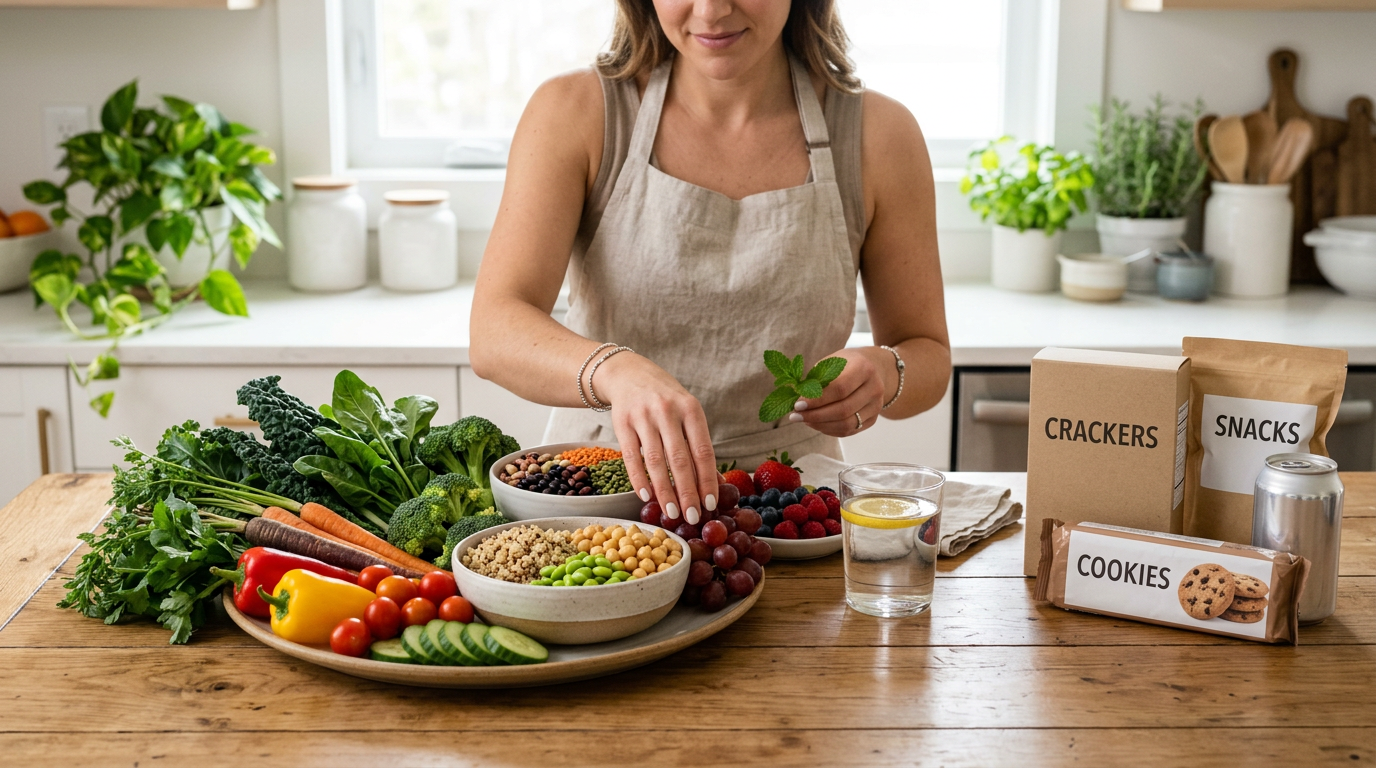
How diet choices connect with colon health
The colon is affected by what reaches it: fiber is fermented by gut microbes into beneficial short-chain fatty acids, while heavily processed foods may provide excess sodium, saturated fat, sugar, or compounds formed during high-temperature cooking. A risk association is not a diagnosis, and replacing one food with another matters. Swapping bacon for refined white bread, for example, may not improve overall diet quality.
| Priority | Practical target | Why it matters |
|---|---|---|
| Limit most consistently | Processed meat, alcohol, sugary drinks | These have among the clearest links with colorectal risk or unfavorable dietary patterns. |
| Reduce frequency and portions | Red meat, fried foods, heavily charred meats | Lowering exposure can reduce excess calories and heat-generated compounds. |
| Replace strategically | Refined grains and low-fiber packaged foods | Making room for fiber supports stool movement and microbial health. |
People with inflammatory bowel disease, prior polyps, a strong family history, or inherited risk should ask a gastroenterologist whether personalized nutrition and earlier screening are appropriate. Diet supports prevention and recovery, but it does not replace colon cancer treatment, surgery, chemotherapy, or genetic counseling when those are medically indicated.
Processed meats can be a high-value food to cut first
Bacon, sausage, hot dogs, ham, salami, pepperoni, corned beef, and deli meats are preserved by smoking, curing, salting, fermentation, or added preservatives. The World Health Organization classifies processed meat as carcinogenic to humans based largely on colorectal cancer evidence. Risk rises with regular intake; it is not a prediction that a person who eats a hot dog will develop cancer.
A commonly cited estimate is that each 50-gram daily portion—roughly one hot dog or several bacon strips—is associated with a modest increase in colorectal cancer risk. Exact risk varies, and “nitrate-free” products are not automatically risk-free if they are still processed meats.
- Reserve processed meat for occasional meals rather than a daily breakfast or lunch staple.
- Check sandwiches, pizzas, breakfast wraps, and restaurant meals for hidden portions.
- Replace it with beans, lentils, eggs, fish, poultry, or minimally processed tofu.
Next step: Track a typical week and identify the easiest processed-meat swap instead of relying on marketing claims.
Frequent large portions of red meat deserve a limit
Beef, pork, lamb, and goat provide protein and nutrients, but consistently high intake is associated with higher colorectal cancer risk in population studies. Risk appears to reflect dose and overall eating pattern rather than a single steak. Large portions can also displace beans, vegetables, whole grains, and other sources of fermentable fiber.
Many nutrition guidelines suggest keeping red meat moderate—often no more than about 350–500 grams cooked per week, depending on the guideline and individual needs. That range is a planning reference, not a treatment prescription.
- Use a 3–4 ounce cooked portion as a visual starting point.
- Make vegetables, beans, or whole grains the larger part of the plate.
- Choose fish, poultry, lentils, or tofu on several meals each week.
Tradeoff: Reducing meat should not create a protein or iron gap. Anyone with anemia, pregnancy-related nutrition needs, kidney disease, or another condition should get individualized advice before making major changes.
Heavily charred and flame-blackened meat adds avoidable exposure
Grilling, broiling, or pan-searing meat at very high temperatures can create heterocyclic amines and polycyclic aromatic hydrocarbons, particularly when fat drips onto flames and smoke coats the food. Human evidence is complex, but avoiding blackened portions is a sensible risk-reduction step without giving up grilling entirely.
- Remove visibly burned or black crust rather than eating it.
- Use moderate heat and turn meat frequently.
- Partially cook thicker cuts in the oven or microwave before finishing them on the grill.
- Marinate meat; some marinades may reduce formation of heat-related compounds.
These techniques involve little cost and preserve flavor better than abandoning a preferred cooking method. Ask a dietitian for alternatives if grilling is a major source of protein in your household, and pair the meal with beans, vegetables, or whole grains rather than more processed meat.
Ultra-processed foods can crowd out protective fiber
Packaged meals, many snack cakes, chips, instant noodles, sweetened breakfast products, and ready-to-eat fast foods often combine refined starch, added sugar, sodium, and industrial fats while providing relatively little fiber. Research increasingly links high ultra-processed-food intake with poorer overall health, although individual products and preparation methods differ.
The colon concern is often indirect: a convenience-heavy pattern can leave too little room for legumes, produce, nuts, seeds, and whole grains. Some people also experience constipation, diarrhea, or bloating when their diet is dominated by low-fiber, high-fat foods.
- Compare the ingredient list and fiber amount, not just front-label health claims.
- Choose products with recognizable ingredients and approximately 3 or more grams of fiber per serving when practical.
- Keep convenient options such as frozen vegetables, canned beans, plain oats, and unsalted nuts available.
Next step: Replace one packaged snack or frozen entrée per day with a minimally processed alternative, then reassess energy, stool pattern, and satisfaction.
Deep-fried foods may worsen an already low-quality eating pattern
French fries, fried chicken, doughnuts, fried fish, and other deep-fried foods are calorie-dense and may contain oxidized oils or heat-generated compounds, especially when oil is reused. Evidence connecting fried foods specifically to colon cancer is less direct than evidence for processed meat, but frequent intake can contribute to obesity and a low-fiber dietary pattern—both relevant to colorectal health.
| Instead of | Try | Benefit |
|---|---|---|
| Deep-fried potatoes | Roasted potatoes with the skin | Less oil and more preparation control |
| Fried chicken | Oven-baked or grilled poultry | Lower added fat |
| Fried dough | Fruit, yogurt, or nuts for a snack | More fiber or nutrient density |
Keep portion size and frequency realistic rather than labeling all fat as harmful. Prefer unsaturated oils in modest amounts, avoid repeatedly reheating oil, and ask for grilled or baked options when eating out.
Sugary drinks supply calories without colon-supporting fiber
Soda, sweet tea, energy drinks, fruit-flavored beverages, and heavily sweetened coffee drinks deliver rapidly absorbed sugar but almost no fiber. Regular consumption can promote weight gain, insulin resistance, and displacement of water or nutrient-rich foods. Those metabolic effects are part of why sugary beverages are a poor default for people focused on long-term colon health.
Juice is not identical to soda, but even 100% juice is easy to consume quickly and contains less fiber than whole fruit. A practical reduction plan is more sustainable than an absolute rule.
- Replace one sweetened drink daily with water, sparkling water, or unsweetened tea.
- Use citrus, mint, or berries to make water more appealing.
- Keep liquid calories occasional and check serving sizes on large bottles.
People with diabetes, kidney disease, or fluid restrictions should coordinate beverage changes with their clinician. If constipation is a concern, adequate fluid intake is important, but hydration alone cannot compensate for a chronically low-fiber diet.
Heavy alcohol intake raises colorectal risk
Alcohol is associated with colorectal cancer risk, with risk generally increasing as intake rises. Beer, wine, and spirits all count; switching types does not remove the alcohol exposure. Alcohol may also interfere with sleep, weight management, medication safety, and adherence to a balanced eating pattern.
There is no proven “colon-protective” alcohol dose. For people who drink, lower intake is safer than higher intake, and abstaining is a reasonable choice. Some guidelines define moderation as up to one drink per day for women and up to two for men, but these are upper limits rather than goals and recommendations vary by country.
- Count a standard drink accurately: about 12 ounces of regular beer, 5 ounces of wine, or 1.5 ounces of spirits.
- Schedule alcohol-free days and avoid saving several drinks for one occasion.
- Do not drink if pregnant, under the legal age, taking interacting medicines, or advised to abstain.
Ask a healthcare professional for support if reducing alcohol is difficult; treatment is more effective and safer than relying on willpower alone.
Refined grains can replace the fiber your colon needs
White bread, many pastries, regular pasta, and products made mainly from refined flour have had much of the bran and germ removed. They are not inherently poisonous, but a pattern built around refined grains can produce less stool bulk and fewer fermentable fibers than a whole-grain pattern. Fiber supports regularity and is associated with better colorectal health.
Adults commonly need roughly 22–34 grams of fiber daily, depending on age and sex, but increasing too quickly can cause gas or discomfort. A gradual change is especially important for people with irritable bowel syndrome or a history of bowel narrowing.
- Choose oats, barley, brown rice, quinoa, whole-wheat pasta, or whole-grain bread more often.
- Look for “100% whole grain” or whole grain listed first in the ingredients.
- Increase fiber over one to two weeks and drink adequate fluids unless medically restricted.
Next step: Replace one refined-grain serving at a time and ask a dietitian to design a lower-FODMAP or medically appropriate plan if symptoms limit whole grains.
High-sodium pickled and preserved foods should not dominate meals
Salt-cured meats, very salty pickles, preserved vegetables, instant soups, and heavily salted packaged meals can contribute substantial sodium. The strongest cancer evidence for salty preserved foods concerns the stomach, not the colon, so claims about a direct colon-cancer effect should be qualified. Even so, excess sodium can worsen blood pressure and often signals a highly processed, low-produce eating pattern.
- Compare labels and choose lower-sodium versions when available.
- Rinse canned beans and vegetables to remove some surface sodium.
- Flavor food with herbs, garlic, citrus, vinegar, and spices instead of adding salt automatically.
- Keep cured meats occasional; they overlap with the stronger processed-meat concern.
People with hypertension, heart failure, or kidney disease may need a specific sodium target from their clinician. Do not replace medical advice with generic “detox” products, which can cause diarrhea, dehydration, or medication interactions.
Low-fiber sweets and snack foods can displace whole foods
Candy, cookies, pastries, sweetened cereal bars, and similar snacks are often high in added sugar and refined flour while offering little fiber. Their main colon-health drawback is dietary displacement: frequent grazing can crowd out legumes, vegetables, fruit, nuts, and whole grains. Some products also contain substantial saturated fat, which can make portions easy to overconsume.
A small dessert does not need to be treated as a failure. Frequency, portion size, and what the food replaces are more useful measures than a rigid banned-food list.
- Pair a sweet with a meal rather than consuming it continuously throughout the day.
- Choose fruit, plain yogurt, nuts, or air-popped popcorn for more nutrient-dense snacks.
- Use the nutrition label to compare added sugar, fiber, and serving size.
If dietary changes are intended to manage diarrhea, constipation, or inflammatory bowel disease, obtain professional guidance; raw produce, dairy, or high-fiber foods may need temporary adjustment during flares.
A prevention plan matters more than eliminating one ingredient
No food list can guarantee prevention, and diet cannot diagnose or treat a polyp or tumor. A practical plan combines less processed and red meat, more fiber-rich plant foods, regular activity, healthy weight management, limited alcohol, and recommended screening. Screening can find precancerous polyps before they become cancer, making it one of the highest-impact next steps.
- Record meals for seven days, including drinks, restaurant food, and portion sizes.
- Choose two high-impact changes, such as replacing processed meat and sugary drinks.
- Add beans, vegetables, fruit, nuts, seeds, and whole grains gradually.
- Discuss personal risk with a primary-care clinician or gastroenterologist.
- Follow the screening schedule recommended for your age and risk profile.
People diagnosed with colorectal cancer should ask their oncology team how nutrition fits alongside surgery, chemotherapy, radiation, targeted treatment, or immunotherapy. A colon cancer treatment center may offer oncology dietitians, while genetic counseling and testing can be appropriate for selected personal or family histories—not simply because someone ate a particular food.
Frequently asked questions about foods and colon health
Q: Should I completely eliminate red meat?
A: Not necessarily. Many people can reduce risk exposure by limiting portions and frequency, choosing more plant proteins and fish, and avoiding processed meat. Individual nutrition needs vary.
Q: Can these foods directly cause colon cancer?
A: No single food provides that certainty. Research identifies associations between dietary patterns and risk. Genetics, age, inflammation, body weight, activity, smoking, alcohol, and screening also matter.
Q: Is a high-fiber diet safe for everyone?
A: Fiber is beneficial for many adults, but a sudden increase may cause gas. People with bowel obstruction risk, strictures, certain gastrointestinal conditions, or active symptoms should ask a clinician about the right amount and type.
Q: Do supplements prevent colon cancer?
A: Supplements are not a substitute for food quality or screening, and high-dose products can be harmful. Discuss calcium, vitamin D, iron, or other supplements based on documented needs.
Q: When should I see a colon oncology specialist?
A: A confirmed cancer diagnosis, suspicious biopsy, recurrence, strong inherited risk, or complex treatment decision warrants coordinated care. Symptoms such as rectal bleeding or persistent bowel changes should first be evaluated promptly by a healthcare professional.
Make the next change measurable
Start with the food category that appears most often in your week, not the one that is easiest to criticize. A two-week experiment—such as replacing deli meat at lunch, switching from sweet drinks to water, or adding beans three times weekly—creates a clear way to evaluate adherence and symptoms. Keep a simple record of meals, bowel frequency, stool changes, and discomfort.
Bring that record to a primary-care clinician, gastroenterologist, or registered dietitian if you have symptoms or elevated risk. Nutrition is one part of colon-cancer prevention and management; timely screening, appropriate diagnostic testing, and specialist care remain essential.